You load into a session with three friends, everyone’s mic already tested, and the judge panel is sitting there ready to score — except the content library is basically bare. That’s the moment The Choicer Voicer either clicks or doesn’t: the game hands you a fully built game show format and almost nothing to actually perform in it, and what happens next depends entirely on whether your group is willing to fill that gap yourselves.
A Judge Panel With Nothing to Judge Yet
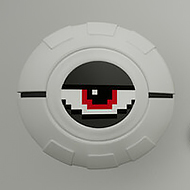
The core loop sounds simple the first time someone explains it: a clip plays, you try to match it with your own voice, and a panel of computer-controlled judges scores how close you got. What that explanation leaves out is how little is actually loaded into a fresh install. There’s no roster of pre-made characters waiting to be unlocked and no story mode easing you into the format.
Instead, the judge panel is built to react to whatever’s currently plugged into it through content packs, folders of audio clips that slot in the same way a mod would for a different kind of game. Until someone loads one in, the panel has nothing to work with, and a session can stall out in minutes rather than build momentum the way a typical party game would.
This is by far the most common source of confusion for first-time players. They expect the game itself to supply the jokes, when the actual game is closer to a stage waiting for a script.
Assembling Your First Voice Pack
Making a voice pack in The Choicer Voicer doesn’t require touching any code. It’s a folder of audio clips, named according to the pattern the game expects, and dropped into place. Once it’s there, the judge panel, the host, and the studio all pull from it automatically during a round.
- Judge packs can define custom score images that override the studio’s default win and loss visuals
- Host packs and studio packs change presentation without touching how a round actually plays
- The pack icon editor lets a creator tag content and assign dub characters before sharing a pack with others
The low barrier to entry is exactly why the game has any community-made content at all this early in its life. A meme-focused pack, a musical pack, and an obscure-quote pack can all coexist on the same install, and swapping between them is often the difference between a flat fifteen-minute session and one that runs for hours because nobody’s run out of new material yet.
Four Players, One Microphone Problem
The local studio format supports up to four players at once, each assigned an individual microphone on the multiplayer screen. In practice, getting there cleanly is where a lot of sessions hit their first real snag, because microphone recording failures are the single most reported issue with the game right now, and on some setups they make a round unplayable outright.
The trouble tends to concentrate on surround-sound audio configurations, which expose a known limitation in the underlying engine rather than a bug specific to The Choicer Voicer itself. Some players have gotten around it by routing audio through a virtual output device and monitoring it externally through separate software, but there’s still no built-in fix as of the current alpha build.
It’s a genuinely divisive point in the community. Plenty of players never encounter the issue at all, while others are effectively locked out of the studio format entirely until they rebuild their audio setup around it.
Dub Mode as the Low-Pressure Entry Point
Not every player wants to be scored the moment they open their mouth, and Dub Mode exists for exactly that reason. Instead of chasing points from the judge panel, a player records a voiceover over a chosen scene, with no scoring system watching the attempt at all.
This mode gets recommended constantly to newcomers who are curious about the vocal side of the game but intimidated by the studio format’s competitive framing. It’s also where a lot of players end up testing a brand-new voice pack for the first time, since there’s no pressure riding on whether the impression lands.
Twitch Chat as the Judge Panel
The streamer-facing variant replaces the fixed judge panel with something more unpredictable: live votes from a streamer’s own Twitch chat. Commands typed by viewers feed directly into scoring a round, and a separate content pack type even lets audience members vocalize as part of the show themselves rather than just watching.
This version is what pulled the game the most attention inside streaming communities, since it turns a solo session into something the audience actively shapes in real time, rather than a closed loop between one player and a computer-controlled panel.
Why the Community Argues About Scoring Transparency
- How does the judge panel actually decide a score? The underlying logic isn’t explained anywhere in the game, and competitive players have pieced together patterns around clarity, timing, and pitch matching mostly through repeated play rather than any official breakdown.
- Is The Choicer Voicer worth it without any content packs installed? Not really — the base install is closer to an empty framework than a finished party game, and most of what makes a session enjoyable comes from packs the community has built and shared.
- Can more than four people play at once? The local studio caps out at four, though the Twitch-facing mode gets around that limit by routing judging through chat votes instead of physical players in the room.
Whether the judge panel ever gets a transparent scoring breakdown or stays a black box players reverse-engineer through trial and error, The Choicer Voicer keeps proving the same point every session: the studio, the host, and the panel are only ever as good as the pack somebody bothered to build before hitting record.